Cultural Tapestry of Farewell: Cultural Traditions and Social Fabrics of Indian Funeral Customs
Wiki Article
Throughout the rich cultural regions of India, customs dedicated to celebrating a completed life reflect a deep commitment to social solidarity. In every corner of the subcontinent, these honorable ceremonial observances combine artistic beauty, historical reverence, and communal harmony. Moving beyond individual grief, these practices establish a lasting connection, reinforcing family bonds, strengthening neighborhood networks, and preserving ancestral etiquette. The quiet period immediately after a farewell are observed with attentive care and respect. Family members gather to perform traditional preparation rituals passed down through untold generations. The individual is wrapped in pristine ceremonial textiles that reflect regional dress customs. Simple white clothing remains the classic preference, reflecting social balance, harmony, and pristine beauty. In other regional communities, festive cultural cloths are selected to celebrate an elder's wisdom and societal contributions. Fresh blossoms and natural garlands form a central element in these preparations. Artistically woven wreaths of sweet jasmine, brilliant marigolds, and fresh roses are carefully arranged around the individual. These colorful arrangements represent more than mere visual beauty; they highlight the continuous beauty of life and family devotion. The delicate use of natural sandalwood, rosewater, and native herbs further highlights the aesthetic elegance and loving care embedded within the home-based preparations. Among the most celebrated social features of these traditional farewells is the organized neighborhood procession from the family residence to the community resting grounds. Known across various regions as a procession of honor, this movement through public space turns family sorrow into a dignified public tribute. Fellow villagers and urban neighbors join together along the entry paths, dressed in modest, unadorned traditional white clothing creating a peaceful, harmonious visual atmosphere. The individual is carried upon a gracefully constructed frame made from natural bamboo, adorned with fresh green leaves, traditional woven textiles, and rich floral garlands. As the procession moves through the streets, neighbors exchange places to help carry the bamboo litter. This hands-on participation represents a meaningful tradition of fellowship, proving that grief is met with shared strength. In many regions, the gentle chiming of bells and melodic flutes enhances the journey, offering a graceful auditory backdrop that informs the local district of a completed life journey. India's immense cultural diversity manifests clearly within the distinct farewell practices found across states and communities. While core values of respect and community remain universal, the outward ceremonial forms adapt uniquely across different climatic, geographic, and cultural zones. Once the initial rites conclude, Indian cultural heritage dictates a structured period of home-based remembrance, generally spanning ten to thirteen days. Throughout these days, the family home becomes an open sanctuary for neighbors, extended family lines, and well-wishers who arrive to offer support, food, and companionship. Receiving guests with warmth remains a top priority. Simple, nutritious vegetarian meals are prepared daily in large quantities to serve all guests who arrive to honor the family. This tradition of sharing meals fosters deep emotional connection, provides an opportunity to recount cherished personal stories, allowing the neighborhood to take care of all domestic chores for the family. The conclusion of the primary formal gathering period features a generous community gathering. Elders speak about the individual's life legacy and community service, passing down valuable life lessons to youth. Generous community donations—like sponsoring student materials, sharing food with local shelters, or donating textiles—are carried out to celebrate the person's legacy, building a lasting legacy of kindness and civic care.
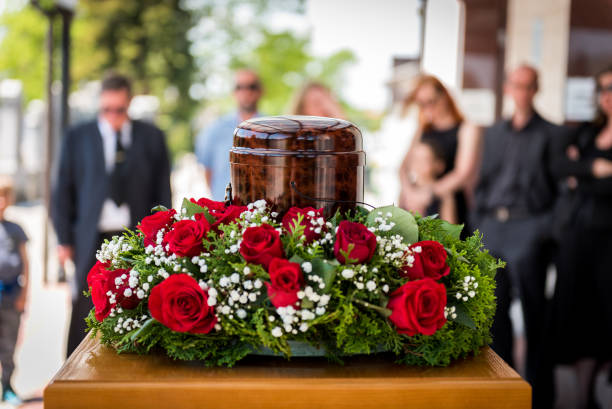
Harishchandra Ghat Electric Crematorium Families across India handle these dignified moments with warm hospitality and deep cultural devotion. From the vibrant rural villages to the bustling urban centers, the active participation of the surrounding community forms the cornerstone of every ceremonial proceeding. These time-honored practices offer a meaningful space through which communities offer mutual support, demonstrate respect for elders, and celebrate the enduring influence of a person's life legacy.
The Aesthetics of Preparation and Family Devotion
The White Procession: Community Solidarity in Motion
Element
Traditional Medium
Cultural Significance
Clothing
Simple White Cotton Garments
Represents purity, equality, and shared grief.
Carrying Litter
Natural Bamboo and Rattan
Demonstrates local craft and eco-friendly design.
Garlands
Native Sweet Blossoms
Represents honor, aesthetic beauty, and respect.
Herbal Preparations
Sandalwood Paste and Rosewater
Provides sensory elegance and traditional purification.
Regional Expressions of Honor
Wilson Garden Electric Crematorium No matter if the community practices gentle earthen burial or ceremonial fire rites, the emphasis stays firmly placed on cultural values of restoring balance with the surrounding natural world with complete respect for the earth and ancestral eco-friendly customs.
Hospitality, Remembrance, and Social Continuity
Summary: Timeless Values of Community Honor
Kallahalli Crematorium The funeral customs of India offer a rich tapestry in community togetherness, textile art, and social respect. Through turning a time of loss into an honorable display of community unity, these practices highlight the power of family bonds and social networks. With delicate floral craft, peaceful white processions, distinct regional arts, and open-door hosting, this heritage celebrates the completed life of every member while fortifying the enduring bonds of the community for generations to come.